Anka Çilek Fidesi
The future of a strawberry field is hidden in the first plant that enters the soil. The right plant is the most solid guarantee of a strong harvest. The wrong plant, on the other hand, can waste an entire season's labour, water and fertiliser. That is why experienced growers never leave plant selection to chance. So how do you tell whether the plant in your hand is healthy? In this guide, we address one by one the signs of a quality strawberry plant that will bring a smile to your face at harvest time.
Root Structure: The Unseen Power of the Plant
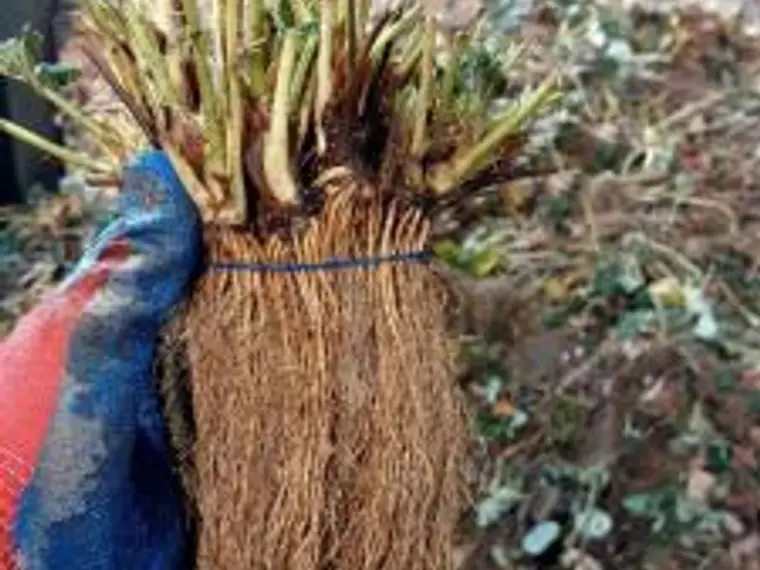
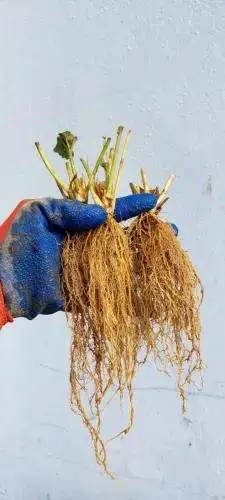
The most defining feature of a healthy strawberry plant is its root structure. The roots of a quality plant are firm, plump and light in colour. In frigo plants, the roots carry a lively colour ranging from dirty white to cream tones and do not break easily in your hand. Blackened, softened or mouldy-smelling roots are a sign of rot and cause establishment problems in the field. A well-developed root system both increases water and nutrient uptake and enables the plant to establish itself quickly in the soil. When you pick up the plant, a tight and solid crown neck is the strongest sign that it will make a quick start after planting.
Crown and Crown Neck: The Centre of Life
In a strawberry plant, the crown, that is, the area just above the crown neck, is the lifeline from which new shoots and leaves emerge. In a quality plant, the crown is plump, solid and proportionate. An excessively thin crown may indicate a weak start, while an excessively thick and old crown may indicate low yield. The colour of the crown should be lively, with no blackening or softening. When selecting a plant, the grower should ensure that the crown diameter is appropriate to the variety and balanced. A balanced crown is the first herald of strong flowering and therefore abundant fruit.
Leaf, Colour and Overall Appearance
In fresh and plug plants, the condition of the leaves tells a great deal. Healthy leaves are a vivid green colour, with no yellowing, brown spots, curling or deformed tissue on them. If unexpected spots, specks or a powder-like layer are seen on the leaf surface, this may be a sign of a fungal or bacterial problem. The overall appearance of the plant should be vigorous with proper turgor pressure, and it should not carry a wilted and shrivelled structure. The leaf stalks should be solid and the shoots balanced. In short, the plant should give a sense of strength and vitality at first glance.
Disease-Free Status and Certification: Securing the Unseen
What cannot be seen with the eye is as important as the visible features. Viruses, nematodes or soil-borne pathogens that a plant may carry can only be eliminated through certified and controlled production processes. It is precisely at this point that certification is the grower's greatest assurance. A certified and healthy plant documents that it was produced under supervised conditions from mother stock cleansed of known pests. This document means that you carry to your field not just a plant, but also years of accumulated knowledge. Cheap plants obtained from uncertified sources, on the other hand, often turn into the most expensive choice with the hidden diseases carried into the soil.
The Anka Assurance: Full Control from Root to Certificate
Anka Çilek Fidesi combines the advantage of Nevşehir Derinkuyu's high-altitude climate with cool nights and the discipline of certified and healthy production. Our varieties, nourished by select genetics of California, Florida and Spanish origin, pass through a meticulous production process that also includes Turkey's first soil fumigation application. With frigo, fresh and plug plant options, we offer certified plants with firm roots and plump crowns, suited to every production model. To select the plant most suited to your needs with our short-day and day-neutral varieties, you can consult the Anka team and make a solid start to your harvest.