Anka Çilek Fidesi
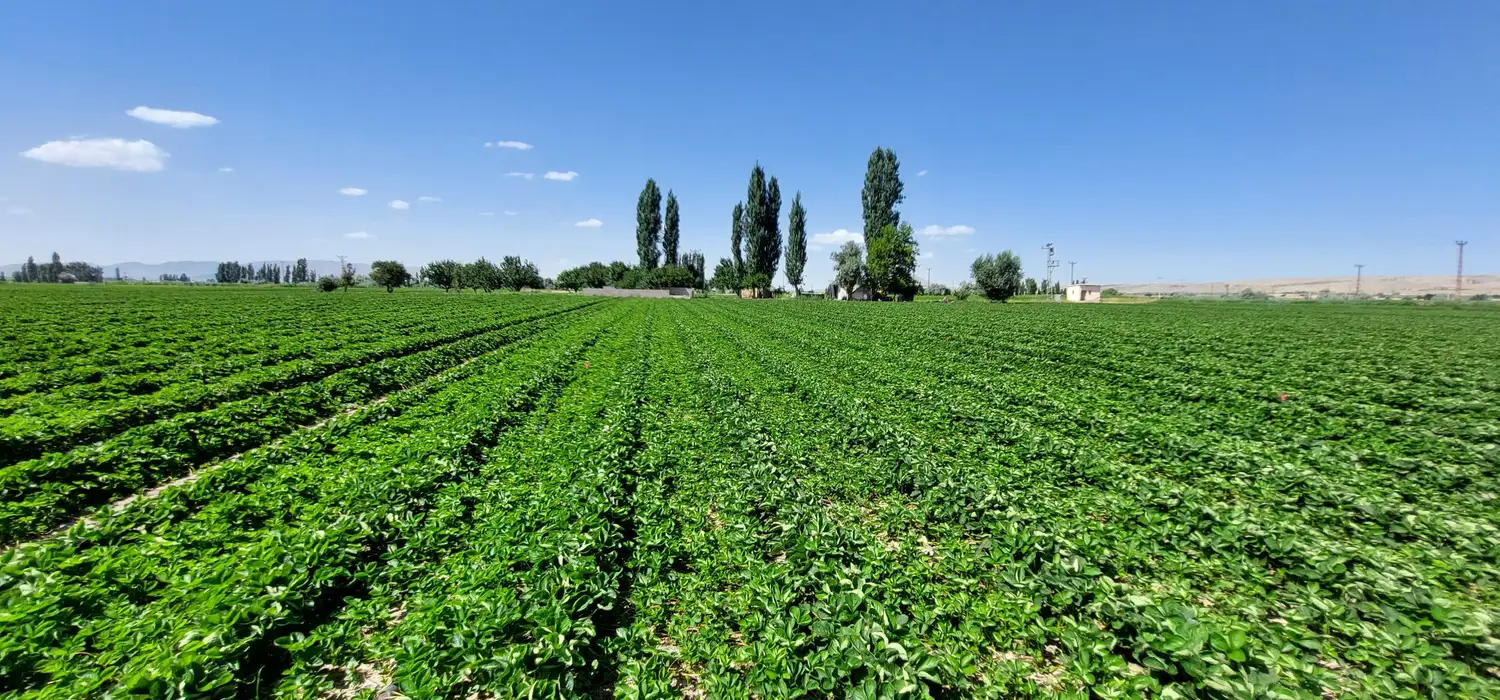
The strawberry is a plant extremely sensitive to water and nutrients. Because of its shallow, delicate root system, it forgives neither drought nor excess water. The same sensitivity applies to fertilisation; a nutrient deficit lowers yield, while an excess spoils fruit quality and tires the root. A successful season is achieved not by chance but through an irrigation and fertilisation programme structured around the plant's developmental stages.
Drip Irrigation: Managing the Programme, Not Just the Water
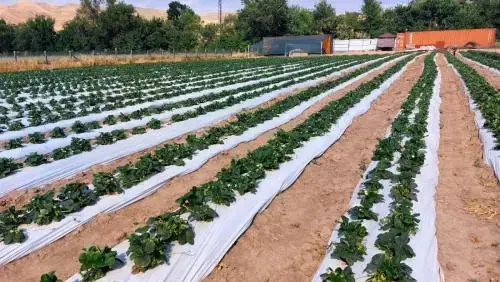
In modern strawberry production, drip irrigation is no longer a preference but a standard. By delivering water directly to the root zone, it provides water savings while also preventing leaf wetting and thereby reducing the risk of fungal disease. Yet the true power of drip irrigation lies in the flexibility to apply water little and often. The shallow root of the strawberry wants not large water reserves but regular, balanced moisture.
How Often, How Much Water?
Irrigation frequency varies according to soil type, climate, mulch cover and the plant's developmental stage. Sandy soils call for frequent, light irrigation, while in clay soils the waiting period after watering is longer. The general principle is this: the soil should be neither saturated like mud nor completely dry. During the establishment period after planting and during the flowering–fruit set period, water stress must absolutely not be allowed. Overwatering, on the other hand, results in crown rot and nutrient leaching.
A Phenological Approach to Fertilisation
The strawberry's nutrient requirement is not constant; it changes throughout the season. Correct fertilisation is possible through an approach that follows this changing need. Fertigation, the method of delivering nutrients through the drip irrigation line, is indispensable to modern production precisely because it provides this flexibility.
- Vegetative stage: A balanced feeding in which nitrogen comes to the fore is suitable for root and leaf development. The aim is to build a strong crown and a robust root system.
- Flowering stage: Phosphorus and trace elements take priority; excess nitrogen in this period leads to leaf growth rather than fruit.
- Fruit set and ripening: The need for potassium becomes pronounced. Potassium directly affects the fruit's size, sugar content, flavour and durability.
The Silent Role of Calcium and Trace Elements
While most growers focus on nitrogen, phosphorus and potassium, they overlook elements such as calcium, magnesium, iron, boron and zinc. Yet calcium deficiency lowers fruit firmness and shelf life; iron deficiency causes yellowing on the leaves; boron deficiency disrupts flowering and fruit set. Trace elements are needed in small amounts, but their deficiencies cause major losses in yield. For this reason the fertilisation programme should be structured not around the main nutrients alone but as a balanced whole.
Water Quality and pH Control
The quality of irrigation water is often left out of the equation. Water with high salinity or high pH can render even the best fertiliser programme ineffective by impeding nutrient uptake. Knowing the water's EC and pH value, and acidifying it if necessary, ensures that the nutrients applied actually reach the plant. The strawberry uses nutrients far more efficiently when the root zone pH is in the correct range.
The Strength From the Seedling Is Crowned by the Programme
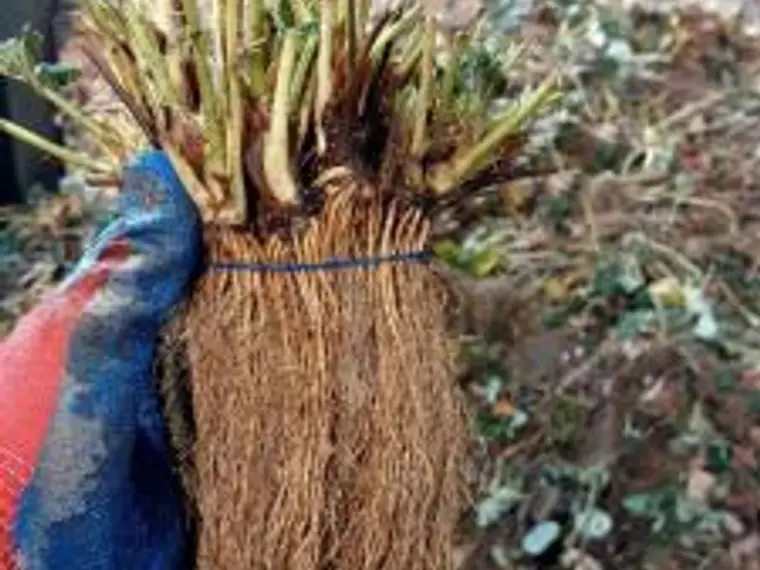
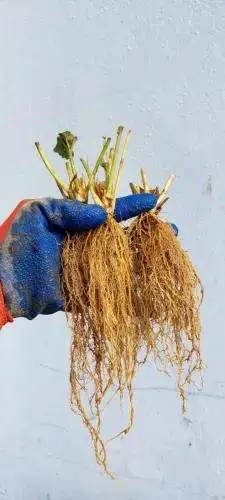
Even a well-structured irrigation and fertilisation programme yields limited results when it begins with a weak seedling. A healthy, certified seedling with a strong root structure makes far more effective use of the water and nutrients you provide. Anka Çilek Fidesi's frigo, fresh and plug seedling options are produced, with the strength of California, Florida, Spain and Berryplasma genetics, to more than repay a correct care programme.
Structure Your Programme With an Expert
Every piece of land has different soil, water and climate; that is why there is no single ready-made recipe. At Anka Çilek Fidesi, we guide you on the irrigation and fertilisation approach suited to the variety you have chosen, your region and your production goal. Contact our consultancy team to crown your season with the highest yield.